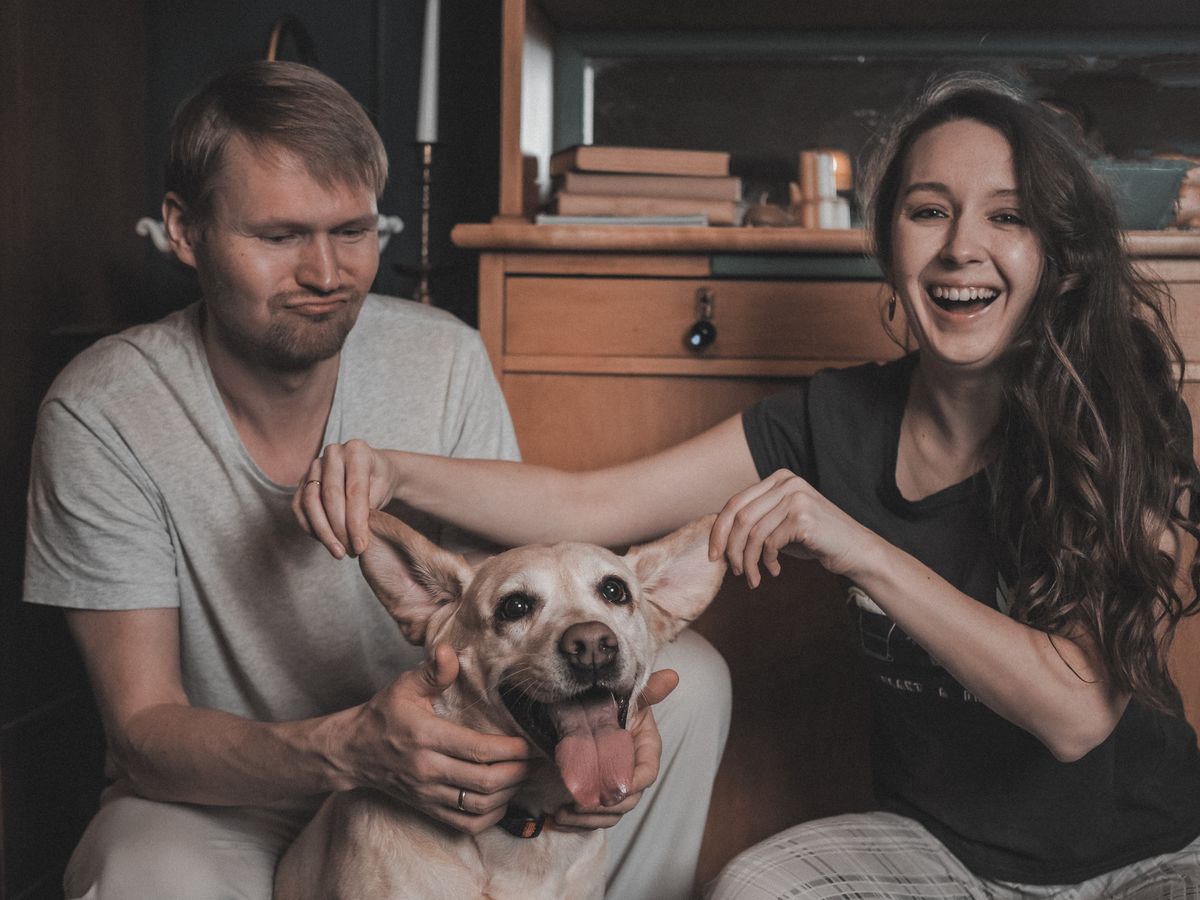
What every pet owner needs to know: owning a pet is a rewarding experience, but it also comes with important responsibilities. Whether you're raising a bouncy puppy or guiding a stubborn senior, the same golden rule applies — reward what you love, and manage what you don't.
Start With Socialization, Not Just Commands
Most behavior problems we see — barking at strangers, fear of the vet, leash lunging — trace back to a narrow early world. Between 3 and 14 weeks, puppies are sponges. Gentle exposure to different people, surfaces, sounds, and friendly dogs in that window prevents a mountain of trouble later.
Keep sessions short and sweet: five minutes of exploring a new texture or hearing the vacuum from another room, paired with treats, beats an overwhelming hour at a crowded park.
Teach Recall Like It's a Party Trick
A reliable "come" is the single most important skill your dog can learn — it can literally save their life near traffic. Build it in layers: first indoors with spectacular rewards, then the garden on a long line, and only then the open park. Never call your dog to scold them; coming to you should always predict wonderful things.
Solve the Big Three Calmly
Jumping up
Turn away the instant paws leave the floor, and reward four-on-the-floor greetings within three seconds. Consistency from every family member matters more than technique.
Pulling on the leash
Be a tree: stop moving when the leash tightens, reward slack with forward motion. A front-clip harness helps while you practice — it doesn't replace training.
Separation whining
Practice tiny absences — seconds, not hours — and build up gradually. A stuffed food toy at departure turns your exit into the best part of the day.
When to Call a Professional
Growling over food, snapping, or panic that doesn't improve in two weeks deserves expert eyes. Our trainers offer one-on-one behavior consults — no judgment, just a plan. Explore our training programs or book a consult.
Keep reading: Insights from the Vet Clinic →
ALL ARTICLES